
Disasters Don't Wait. You shouldn't Either.
Every inspection, every treatment, every month you’re covered. Because your home deserves more than insurance alone.

Join 5,000+ happy customers using Mr. Restore today

Disasters Don't Wait. You shouldn't Either.
Every inspection, every treatment, every month you’re covered. Because your home deserves more than insurance alone.
Join 5,000+ happy customers using Mr. Restore today


PROBLEM
Three Hidden Threats That Can Devastate Your Home — Before You Even Know It
Home Should be a Safe Haven, not a Ticking Time Bomb.
Here are the common problem areas of your home to be aware of.
Burst or Leaking Water Heaters: Water heaters are one of the most common sources of catastrophic flooding inside homes. When they fail, they can release hundreds of gallons of hot water in minutes—soaking floors, walls, and electrical systems. According to insurance industry data, water heater failures account for up to 25% of all residential water damage claims, making them a silent risk many homeowners underestimate.
Failed Washer, Sink or Plumbing Connections: Loose hoses, pinhole leaks, or worn fittings under sinks and behind washers & dishwashers can drip slowly—and then suddenly gush. These small, hidden connection failures often go unnoticed until surfaces are saturated or structural damage has occurred. Studies suggest that over 40% of indoor water damage events begin at plumbing connections or fixtures, making them a key prevention target.
Roof and Ceiling Leaks: Storms, ice dams, or deteriorating roofing can let water enter through ceilings and walls, damaging insulation, drywall, and electrical systems. The National Roofing Contractors Association notes that roofing-related leaks increase after storms by up to 60%, and secondary water damage (inside the home) often drives repair costs orders of magnitude higher than the roof repair itself.
PROBLEM
Three Hidden Threats That Can Devastate Your Home — Before You Even Know It
Home Should be a Safe Haven, not a Ticking Time Bomb.
Here are the common problem areas of your home to be aware of.
Burst or Leaking Water Heaters: Water heaters are one of the most common sources of catastrophic flooding inside homes. When they fail, they can release hundreds of gallons of hot water in minutes—soaking floors, walls, and electrical systems. According to insurance industry data, water heater failures account for up to 25% of all residential water damage claims, making them a silent risk many homeowners underestimate.
Failed Washer, Sink or Plumbing Connections: Loose hoses, pinhole leaks, or worn fittings under sinks and behind washers & dishwashers can drip slowly—and then suddenly gush. These small, hidden connection failures often go unnoticed until surfaces are saturated or structural damage has occurred. Studies suggest that over 40% of indoor water damage events begin at plumbing connections or fixtures, making them a key prevention target.
Roof and Ceiling Leaks: Storms, ice dams, or deteriorating roofing can let water enter through ceilings and walls, damaging insulation, drywall, and electrical systems. The National Roofing Contractors Association notes that roofing-related leaks increase after storms by up to 60%, and secondary water damage (inside the home) often drives repair costs orders of magnitude higher than the roof repair itself.
THE SOLUTION
The Mr. Restore Advantage Program — Because Prevention Is the New Protection.
Prevent costly water damage before it starts with routine inspections, advanced detection tools, and full credit toward repairs when you need them most.
Our Ultimate Solution to Protecting Your Home is Here
TESTIMONIALS
What our Customers say about us
Discover the experiences of our satisfied customers! Read their testimonials to learn how our services have make their life easier.

Tom P.
Plano Homeowner
"Insurance denied our last claim for water damage because it was called 'gradual.' I joined Advantage because I never want to be in that situation again. Their inspections catch those problems before insurance can blame you for them."

Alex R.
Frisco Homeowner
"Last year, a pipe burst in our attic while we were out of town. It was a nightmare. When we heard about the Advantage Program, we signed up immediately. Now, knowing we have quarterly inspections gives us peace of mind we never had before."

Mark T.
Dallas Homeowner
"The program literally paid for itself. During an inspection, they found a water heater valve that was ready to fail. Two months later, it would have flooded my garage. Instead, it cost me nothing extra."

Sarah K.
Denton Homeowner
"We’ve trusted Mr. Restore for years, but the Advantage Program takes it to another level. It’s not just restoration — it’s prevention. I love that every dollar goes toward any future emergency. That’s real value."

Linda M.
McKinney Homeowner
"When our Advantage inspector found a slow leak under our kitchen sink, I was shocked. We had no idea! He fixed the issue before it damaged the cabinets. That one visit probably saved us thousands of dollars."

Helen W.
Justin Homeowner
"Joining the Advantage Program was an easy decision. I’d spent $9,000 on repairs a few years back. Now I pay $199 a month, and I know I’m covered and inspected by the best in Texas."

Jessica L.
Lewisville Homeowner
"We used to think home disasters were just 'bad luck.' Now we realize they’re preventable. Mr. Restore Advantage gave us a plan, not just a promise."

Brian S.
Flower Mound Homeowner
"Our inspector found moisture behind a baseboard in the laundry room — no smell, no sign of damage, but their thermal camera picked it up. They treated it immediately. I couldn’t believe how thorough they were."

Kevin H.
Irving Homeowner
"For my small business, every day closed is lost revenue. Advantage gives me peace of mind that leaks or roof issues won’t disrupt operations. Four inspections a year is worth every penny."
OUR SERVICES
From Fixing Damage to Preventing It Entirely.
Decades of restoration expertise — now working to stop disasters before they start.
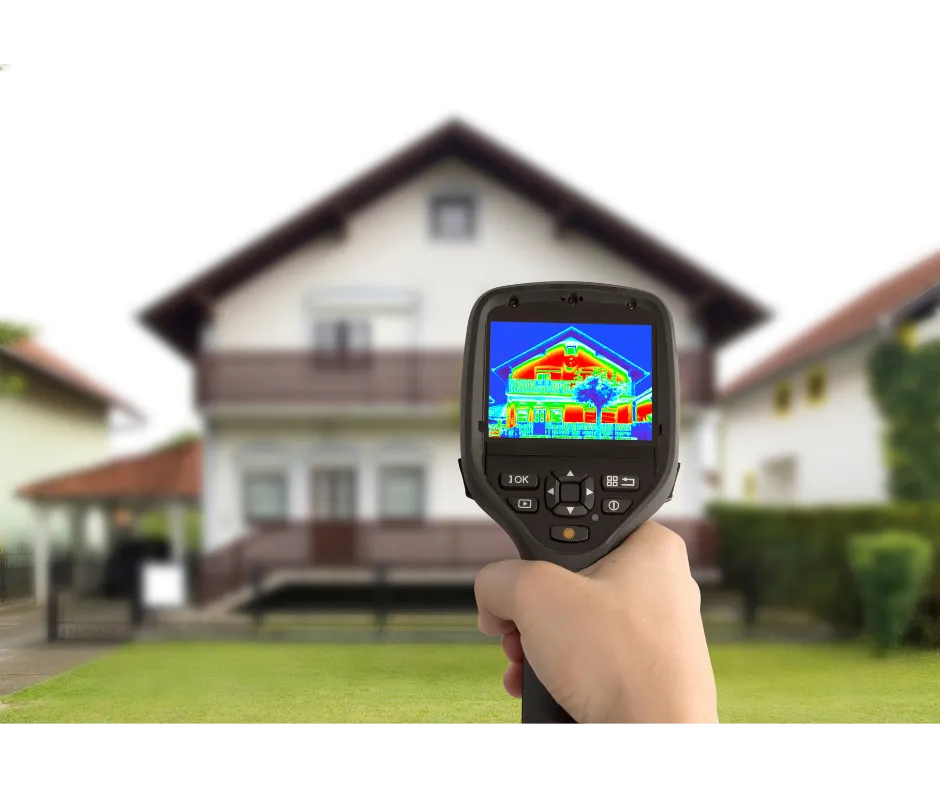
Precision Moisture & Thermal Imaging Inspections
Our advanced thermal cameras and moisture sensors detect what the eye can’t see — hidden leaks behind walls, under floors, and inside ceilings — before they lead to structural damage or microbial growth.
Proactive Plumbing & Appliance Safeguarding
We inspect the highest-risk areas in your home — water heaters, washer lines, sinks, and supply hoses — tightening, replacing, or treating weak spots long before they can burst or fail.

Whole Home Antimicrobial & Preventative Treatments
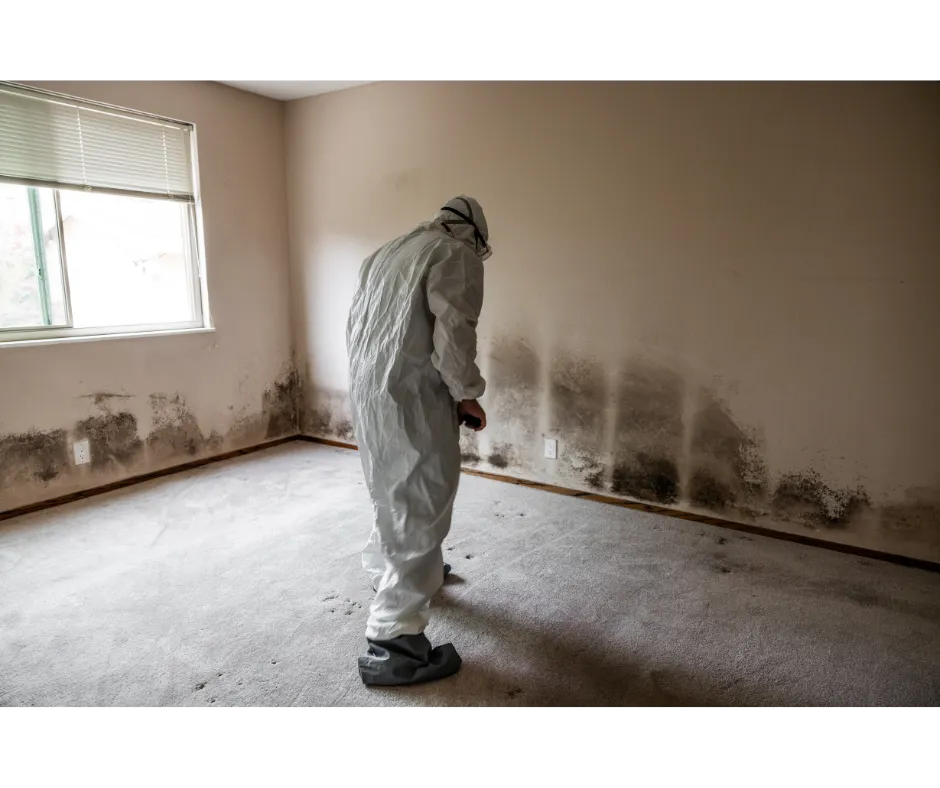
Each visit includes professional antimicrobial applications that stop harmful microbes from spreading after moisture exposure — creating a cleaner, safer, and longer-lasting home environment.
HOW IT WORKS
Protecting your home is simple. We handle the hard part.
From inspection to prevention, every step of the Advantage Program is designed to catch problems early, save you money, and keep your home protected year-round.

Join the Program
Choose your plan — Essential, Advanced, or Elite — and gain instant access to scheduled inspections, protection, and credit toward any future restoration work.

We Inspect & Prevent
Our Advantage certified inspectors visit your property on schedule (annually, biannually, or quarterly) to perform detailed moisture surveys, thermal imaging scans, and connection checks. Any issues found are addressed before they become emergencies.

You’re Covered
If a water, fire or storm event ever occurs, every dollar you’ve invested goes directly toward your deductible or full mitigation work with Mr. Restore. No fine print, no hassle — just real protection when you need it most.
FAQ
Frequently Asked Questions
Everything you need to know about the service and billing.
How quickly am I covered?
Immediately. Your first payment is automatically applied to your credit amount in case of an emergency event.
Is this an insurance program?
No — the Advantage Program isn’t insurance. It’s a prevention and protection plan created by Texas’ most trusted restoration experts. Every dollar you pay goes toward inspections, treatments, and a credit that applies directly to your deductible or mitigation costs if you ever experience water damage.
What happens if I have a disaster or catastrophe event at my home?
If a covered event occurs, your Advantage membership pays off immediately. We apply 100% of your subscription credit toward the cost of mitigation or your deductible — so your membership investment directly reduces your out-of-pocket expenses when you need us most.
Can I cancel the program at any time?
Yes — all Advantage Program plans are completely month-to-month with no long-term commitment required. You can cancel anytime with no penalties. However, please note that if you cancel, any accumulated subscription credits are forfeited and reset to zero. Your credit balance only continues to grow with an active, uninterrupted membership.
Benefits of Choosing the Advantage Program

"We joined the Advantage Program after a small leak ruined our floors last year. Now, with regular inspections and credit building every month, we finally feel protected. It’s peace of mind I didn’t know we were missing."
-- Sarah M.
Plano Homeowner
HERE'S WHY YOU SHOULD TAKE ADVANTAGE
Benefit 1: Proactive Protection
Benefit 2: Every Dollar Counts
Benefit 3: Trusted Expertise
Benefit 4: Zero Commitment
ABOUT US
Hi, I’m Clint Junell
40+ years of experience
With more than 40 years in the restoration and property service industry, Clint Junell has built his career on integrity, hard work, and a deep commitment to helping families and businesses recover from disaster.
Award Winning Reputation
Together, my team and I have helped build Mr. Restore into an award winning restoration company. Don't just take my word for it - we've earned six consecutive “Best of Denton County” awards, a testament to the company’s reputation for excellence, customer satisfaction, and community trust.
5,000 Happy Customers
Over the last 16 years, Mr. Restore has served over 5,000 happy customers across North Texas, Oklahoma and the Texas Panhandle.
Your Money Always Works for You
Your satisfaction is our priority. If you’re not fully satisfied with our repair service, we offer a money-back guarantee.
At Mr. Restore, we believe in standing behind our promise — if disaster ever strikes your home, every dollar you’ve paid into your Advantage membership becomes instant credit toward your mitigation or deductible.
There are no refunds and no gimmicks — just real value. Your payments build month after month, creating a credit balance that’s ready to use the moment you need professional restoration or emergency service.
Even better? As long as you keep your membership active, your credit never expires.
It’s not money lost — it’s money redirected to protect your home when it matters most.

Protection you Can feel.
value you can see.
Disasters don’t wait — and now, you don’t have to either. The Mr. Restore Advantage Program gives you ongoing protection, exclusive member credits, and the peace of mind that comes with knowing the experts are already on your side.
Join today and turn prevention into power.